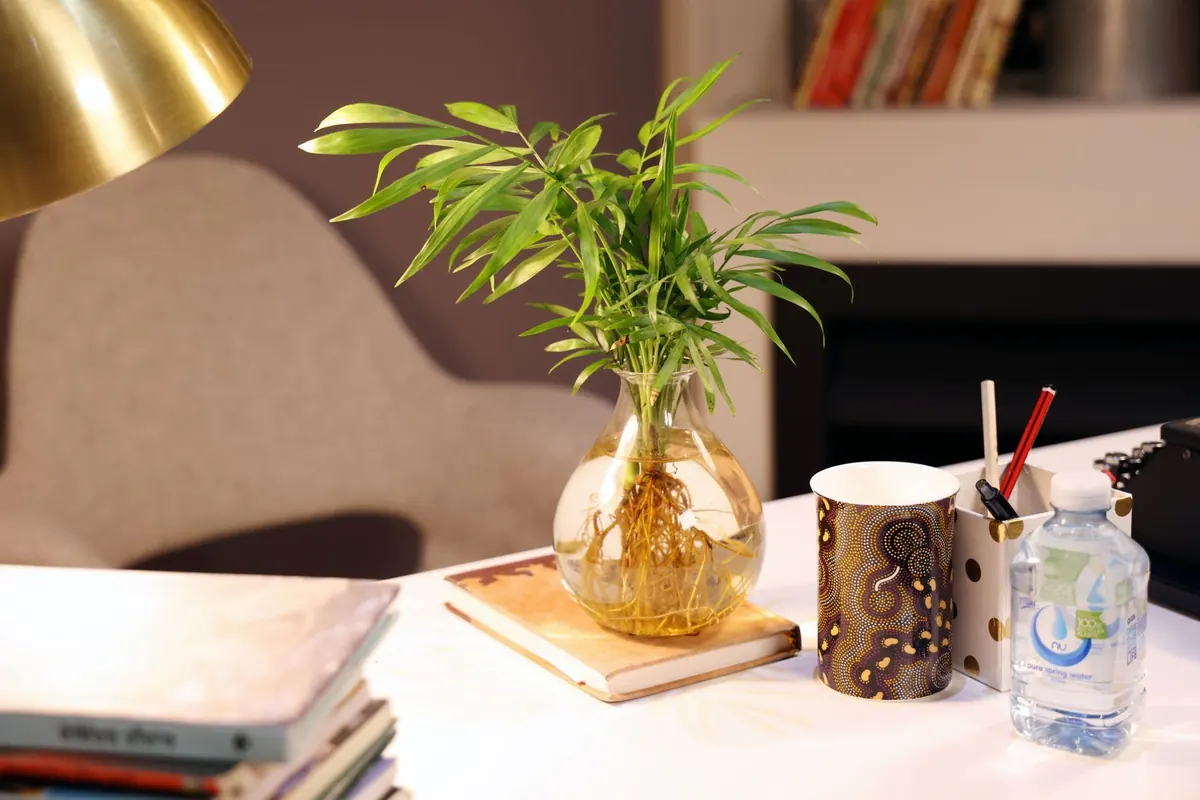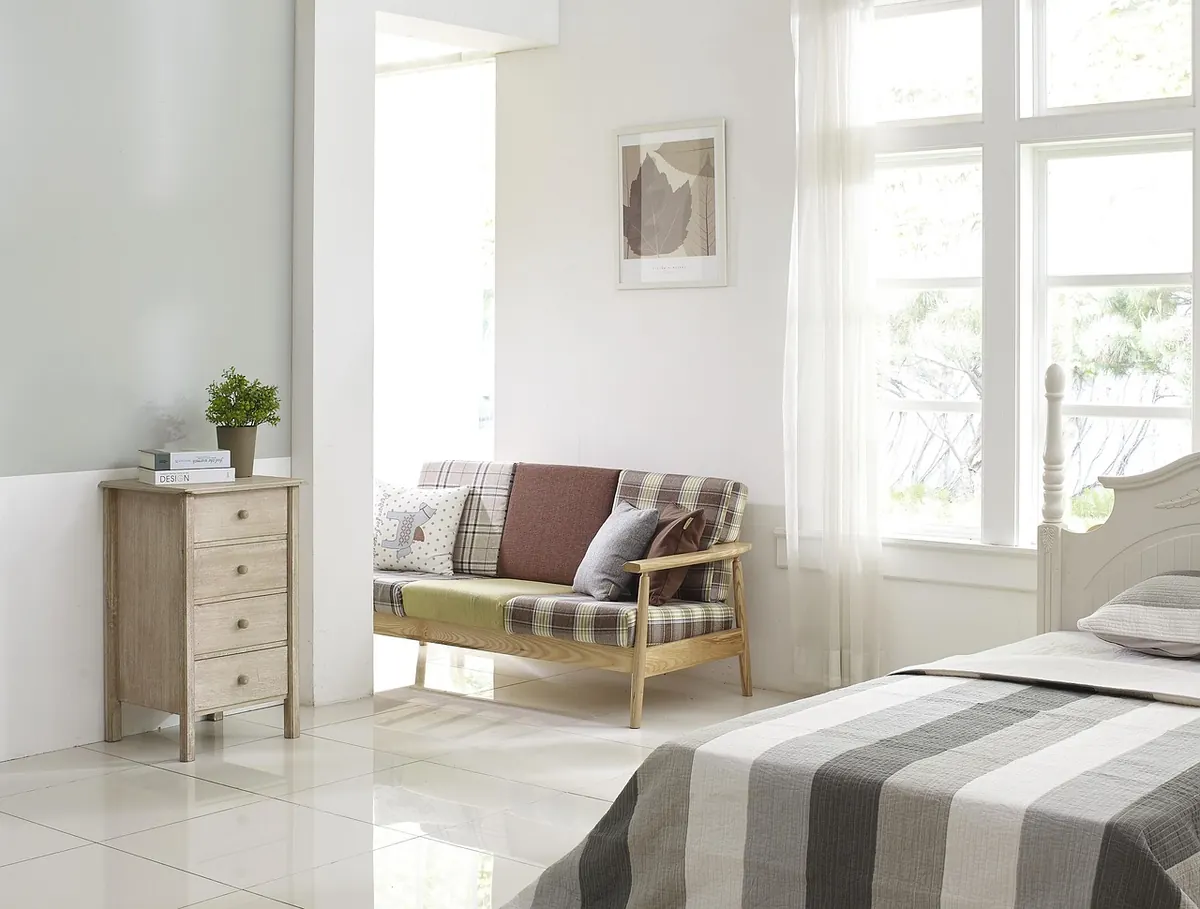
Hygge is pronounced roughly "hoo-ga", and it is the Danish habit of making ordinary moments feel warm, safe and unhurried. There is no exact English word for it. It is a candle on a wet Tuesday, a wool blanket that has lived on the back of the sofa for years, a slow breakfast with nowhere to be afterwards. It is less about how a room looks and more about how an hour feels: soft light, comfortable things, and a quiet decision to stop rushing. The good news for anyone reading this in Britain is that our weather, our tea habit and our willingness to stay in when it drizzles already do half the work.
What hygge actually means
Cosiness is a quality of a room. Hygge is a quality of time. That distinction is worth holding on to, because it stops hygge turning into a decorating project you never quite finish.
There is no shopping list. A hygge evening can cost nothing at all: the lamp you already own, the mug you like best, the blanket that is slightly too small for two people. What it usually involves is a bit of care. Making the tea properly instead of sloshing hot water over a bag. Putting the plates away before you sit down. Closing the curtains before the room starts to feel exposed.
It also has nothing to do with pretending to be cheerful. Hygge is not a mood you have to perform. Some of the best evenings of this kind are quiet, slightly melancholy ones, with rain against the window and nobody saying much.
Hygge is not a look you buy. It is a feeling you set up on purpose, usually in about ten minutes.
Why it suits British weather so well
Danish hygge grew out of long, dark winters, and Britain offers plenty of the raw material: drizzle in November, dark afternoons in January, that particular cold that gets into a hallway. You do not need snow. Grey is enough.
British homes help too, mostly by accident. Small rooms warm up quickly. Sash windows let in draughts that make a blanket feel like a sensible investment rather than a prop. Radiators, for all their faults, are excellent for warming a towel you can then wrap around yourself.
Where we tend to go wrong is confusing warm with cosy. A house heated to the point of stuffiness, with the big light on and the television loud, is warm but not remotely hygge. Turn the heating down a notch, close the door, add a layer, and the same room settles into something better.
The practical bits rarely get mentioned. A tray by the door for wet shoes, a hook for damp coats, a drying rack that is not directly in front of the sofa. Small frictions kill atmosphere faster than bad lighting does.
Light is the quickest change you can make
If you change one thing tonight, change the light.
Turn off the big light
Overhead lighting flattens a room and makes it feel like a waiting area. Two or three lamps at different heights do the opposite. Warm bulbs beat cool white every time, and anything you can dim is worth dimming. If you have a fireplace or a wood burner, it is doing more for the room than any ornament.
Use candles sensibly
Candles are the shorthand for hygge, but they need treating as fire rather than decoration. Keep them away from curtains and paperwork, stand them on something heatproof, never leave the room with one burning, and put them out properly before you fall asleep on the sofa. Battery candles are a respectable substitute, particularly if you share a home with a cat or a curious toddler.
Give yourself things to touch
Wool, brushed cotton, sheepskin, chunky knit, a decent pair of slippers, a hot water bottle in a cover. This is a physical experience as much as a visual one. If the blanket on your sofa is thin and scratchy, the whole evening is slightly spoiled before it starts.
Building a hygge evening routine
Most of us already own the pieces; we just use them in a hurry. A routine is what turns them into an atmosphere. Here is one that works on a weeknight.
- Close the curtains properly as soon as it gets dark. It draws a line under the working day.
- Switch off the overhead light and turn on two lamps.
- Make one warm drink well. Teapot, proper mug, and sit down to drink it.
- Put something on that does not demand your full attention: a record, a long film, a series you have seen before.
- Move your phone to another room, or at least out of reach and face down.
- Do something with your hands. Knitting, a jigsaw, a paperback, a stack of cards, even chopping onions for tomorrow's dinner.
- Go to bed at a sensible hour. These are early evenings, not late ones.
None of that is exotic. Done in sequence, though, it feels entirely different from the same evening spent scrolling with the big light on.
Hygge on your own and with other people
By yourself
Solo hygge is not a consolation prize. A bath, a book, a blanket and something warm to drink is the original version, and nobody is checking whether you have company.
With two or three people
Danish gatherings tend to be small and low-effort. One pot of something, bread, a board game, a film nobody has to concentrate on. The point is the company, not the catering. If you are hosting, resist the urge to clean the whole house. Tidy the room you will actually sit in, put a candle on the table, and leave it at that.
Start tonight, with two things
You do not need to overhaul your home. Pick two changes and repeat them for a week: lamps instead of the big light, and a blanket within arm's reach of where you sit. Add a third once it feels natural, and let the rest follow at its own pace.
One caution worth making. If the shorter days leave you consistently flat, sleeping badly or struggling to get going, mention it to your GP rather than treating it with candles. Low mood in winter is common and there is proper help for it.
Hygge, done well, is unremarkable. It is a Tuesday, a lamp, a mug, and a bit of your evening kept back for yourself.