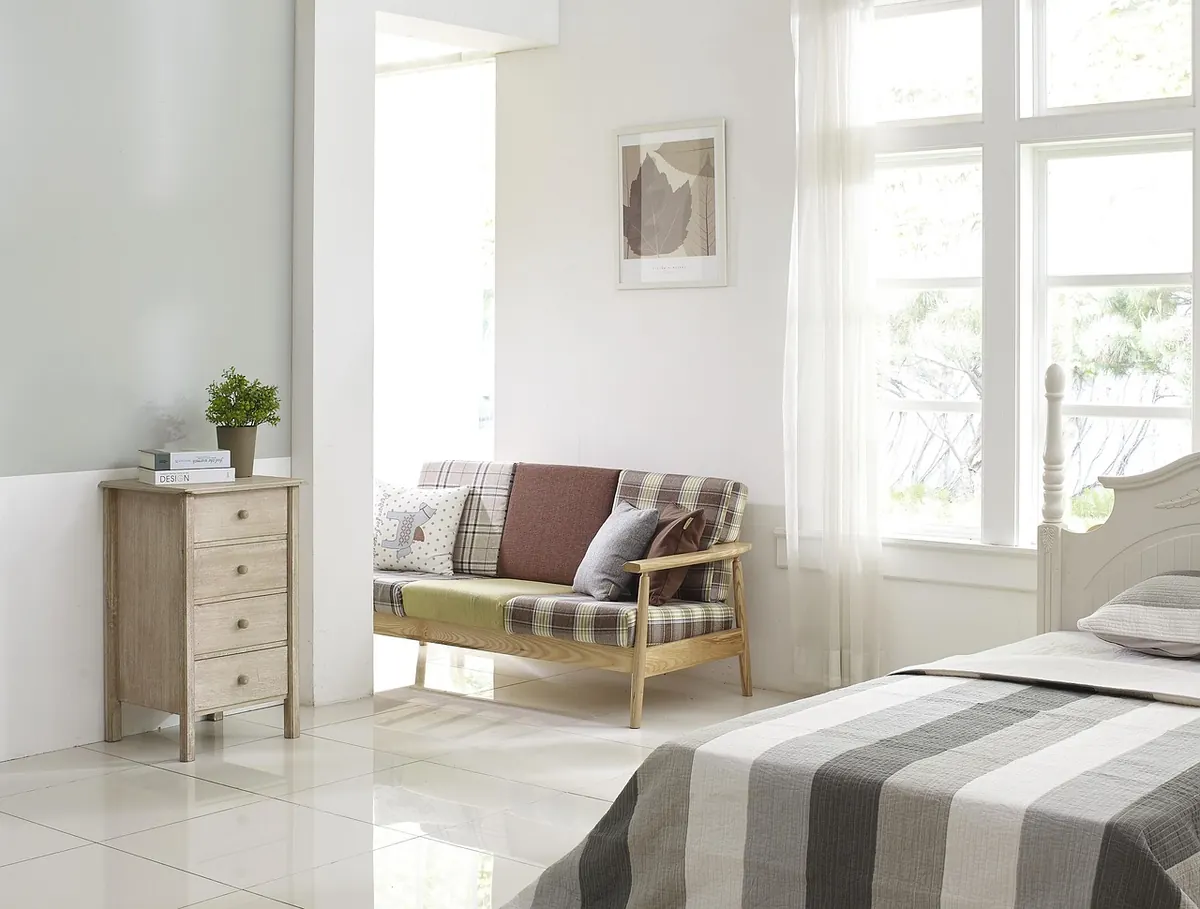
Ten minutes will not turn your home into a showroom. It will change how the last hour of your evening feels, though, and that is worth more. A quick reset is less about cleaning than about closing loops: the mug on the arm of the sofa, the bag dropped by the door, the ceiling light still blazing at half past ten. Deal with those and your body gets a clear signal that the day has finished. Here is a checklist you can run through in the time it takes to boil a kettle twice.
What a reset is actually for
A spotless house is not the goal; a quiet mind is. Small unfinished jobs have a way of humming in the background — not loud enough to act on, just loud enough to keep you faintly alert. Putting them away removes the visual reminders of things still to do.
The reset works because it replaces those reminders with a handful of calm, obvious cues. The door is locked. The kitchen is closed. Tomorrow’s clothes are on the hook. Nothing else is asking for your attention.
It also helps to aim for eight out of ten rather than ten out of ten. A lived-in room that is dimly lit feels far more restful than a perfect room under a bright light at midnight.
The ten-minute sequence
Keep moving, and carry things once rather than making a dozen trips. A tray, a basket or even a washing-up bowl makes a useful collector for the first minute or two.
- Minutes 1–2: gather and carry. Walk the main rooms with your tray and pick up cups, glasses, plates, wrappers and stray post. One trip to the kitchen, then the tray goes back where it lives.
- Minutes 3–5: clear the landing strips. The kitchen counter, dining table, coffee table and bedside table. This is clearing, not reorganising. Post in one pile, chargers in one drawer, everything else back where it belongs.
- Minutes 5–6: close the kitchen. Rinse the sink, wipe the counter, switch the dishwasher on if it is full, and take the rubbish out if it will not fit tomorrow’s bag.
- Minutes 6–7: sort the hallway. Shoes paired by the door, coats hung up, keys in their spot, bags ready to be picked up rather than hunted for in the morning.
- Minutes 7–8: reset the bedroom. Clothes hung up or into the laundry basket, not draped over the chair. Duvet turned back a little so it is easy to climb into. A glass of water on the bedside table.
- Minutes 8–9: dim everything. Big lights off, lamps on, phone on charge out of arm’s reach.
- Minutes 9–10: lay out tomorrow. Clothes, bag, and anything that needs to leave the house with you.
If you only have five minutes
Do the kitchen, the bedroom and the lights. Those three carry most of the benefit, and the rest will still be there tomorrow.
Dim the lights, lower the sound
Light is the quickest lever you have, and it costs nothing. Overhead lighting says work, tasks, being switched on. Lamps at or below eye level say wind down. If your main bulbs are cool white, warm ones are a small change that pays you back every evening of the year.
Candles are lovely if you enjoy them, but put them out before you get sleepy, never leave one burning as you drift off, and keep them well clear of curtains and paperwork.
Sound matters too. Turn the volume down a notch or two as the evening goes on, and lower your screen brightness if you are watching something. The house does not need to be silent — only softer.
Set up tomorrow in four small moves
Most of what keeps people awake is a vague sense of tomorrow rather than tomorrow itself. A few quiet preparations take the edge off it.
Clothes, bag, breakfast
Decide what you are wearing and hang it up. Put your bag by the door with keys, wallet and travel card already inside. Set out the cereal bowl, the coffee cup, the lunch container. Small decisions made now are decisions you do not have to make while half asleep.
Three things, written down
Not a full list — those tend to grow. Three concrete things you want to do first. “Email the plumber about the boiler,” not “sort admin.” Leave the note somewhere you will see it with your first cup of tea, so it does not need to live in your head overnight.
What to leave alone
Some jobs can wait, and pretending otherwise is how a ten-minute reset becomes an hour. Leave the laundry pile, the ironing basket, the post you will deal with at the weekend and the floors that could do with a hoover. None of it is urgent at eleven o’clock at night.
If a task will take more than two minutes, it belongs to tomorrow.
If you share your home, split by room rather than by task. One person takes the kitchen, another takes the living room. It is finished in half the time, and nobody ends up tidying around somebody else.
Making it stick
Anchoring the reset to something you already do works far better than a reminder on your phone. After the last cup of tea. After you brush your teeth. When the episode ends. Same trigger, same ten minutes, no negotiation.
Use a timer if you are the sort of person who starts tidying a cupboard and resurfaces at midnight. When it goes off, you stop — even if the counter is not perfect.
Keep the tools close, too: one tray, one basket, one drawer for clutter. The easier it is to start, the less often you will talk yourself out of it.
Tonight’s version
Pick three items from the list above — the ones that would bother you most if you left them. Set a timer for ten minutes and work through them at a steady pace. When the timer goes off, stop, dim the lights and sit down. The floor can wait.
Do this for a fortnight and it stops feeling like a chore and starts feeling like the way your evening ends. If you are regularly lying awake for long stretches even with a calm, dim, tidy home, that is worth raising with your GP rather than trying to solve with more tidying.
Photo: manbob86 / Pixabay