A winter film night is one of the few things that improves when the weather turns. It's dark by half four, nobody wants to go anywhere, and the sofa suddenly looks like the best seat in the country. The film matters less than you'd think. What makes the evening feel generous is everything around it: somewhere comfortable to sit, gentle light, food within reach, and no reason for anyone to get up once the titles roll.
Sort the seating before you choose the film
Seating is the part people skip, and it's the part that decides whether the evening works. Sit in every spot yourself and look at the screen. Can you see the whole picture without turning your head? Is someone's head going to block the subtitles from the back row? A low stool is fine for twenty minutes and miserable for two hours.
If you're short on sofa space, layer the room instead. Cushions and beanbags on the floor in front of the sofa, a dining chair with a cushion behind the front row for anyone with a bad back, a footstool shared between two. A duvet folded into a clean cover makes an excellent floor cushion and doubles as a blanket later. Aim for one throw per person rather than one shared blanket; it removes a whole layer of polite negotiation.
Leave a clear path to the door and the loo, and keep drinks off the floor where they'll be kicked over. Test the room by sitting in the least appealing spot for ten minutes. If you're bored, fix it before anyone arrives.
Get the lighting right — it does most of the work
Overhead lights are the enemy of a good film night. Switch the big light off entirely and build the room from small sources: a table lamp at each end of the sofa, a lamp on the floor behind the seating so faces are lit softly, a string of warm-white fairy lights along a shelf or curtain rail. Battery candles on the windowsill cost very little and give the room a gentle edge.
Check for glare. A lamp whose reflection lands in the middle of the screen is worse than no lamp at all, and kitchen light spilling through an open door pulls everyone's attention sideways. Dim the room before your guests arrive so it already feels set up; nobody wants to watch you hunt for matches at eight o'clock. If you have a dimmer, use it and keep a low level rather than total darkness. People relax faster when they can still see each other's faces.
Snacks you can actually eat in the dark
Anything that needs a knife, a plate balanced on a knee, or two hands is the wrong choice. Go for small, one-bite food that can sit in bowls on the coffee table or on a side table beside each person.
Give everyone their own small bowl rather than one giant shared one; it stops the awkward reach across three laps. Keep rubbish under control with a paper bag per person, and hold a second wave of food back in the kitchen to bring out between films, when the lights go up anyway.
- Popcorn with melted butter and a pinch of salt, or smoked paprika and a little sugar
- A cheese board with crackers, grapes and a spoonful of chutney
- Pigs in blankets and mini sausage rolls, kept warm in a low oven
- A dish of olives, salted nuts, or crisps decanted into bowls
- Chocolate broken into pieces, gingerbread, and orange segments for something sharp
- A baked camembert with bread for the first half, if you want one warm thing
Ask about allergies and anything people don't eat before you shop. Keep it unfussy: three or four things done well beats a table nobody can manage in the dark.
Something warm to drink
One warm drink makes the evening feel deliberate. Mulled apple juice works better than mulled wine because everyone can have it, including anyone driving home or not drinking. Simmer it with a cinnamon stick, a few cloves, a strip of orange peel and a spoon of honey, then keep it in a flask with a ladle and mugs beside it on a tray.
Hot chocolate in a big jug, refilled at the interval, is the other reliable option. So is a pot of tea and a plate of biscuits. Water matters too; put a jug out and people will drink it rather than forget it.
If you're serving alcohol, plan the journeys home before the first drink, not after. Whoever's driving sticks to the apple juice, and if someone's had a few, offer the spare room or help them book a taxi. It's the difference between a good night and a difficult one.
Choosing what to watch
This is where a relaxed evening can go wrong, because a group of four people has at least five opinions. Decide before anyone arrives and announce it as a plan rather than a question. If you'd rather let everyone choose, narrow it to two options and toss a coin.
Rules of thumb
- Keep the main film under two hours. A long epic is a commitment, not a cosy evening.
- Pick one register: either something nobody has seen, or something everyone knows by heart. Mixing the two means half the room is watching and half is chatting.
- Check the tone. A bleak drama about grief is not a comfort watch, however good it is.
- Have a second option ready and know how you'd play it, whether that's a disc, a download, or a service you're already signed into. Don't spend twenty minutes scrolling at nine o'clock.
- Turn subtitles on. Half the room will thank you, especially for anything with quiet dialogue or heavy accents.
Winter is a good excuse for something snowy, nostalgic or genuinely funny. Think Home Alone, Paddington 2, Klaus, Little Women, The Apartment, a Studio Ghibli film or a Muppet Christmas Carol. Comfort watches are allowed. That's rather the point.
Keep the heat in and build in a break
The room gets cold once a group of people stops moving, so set the heating to come on halfway through rather than cranking it up at the start. A basket by the door with thick socks or slippers saves people from cold feet, and blankets folded on each seat look intentional rather than untidy.
Build in a ten-minute interval between films. It's the moment for refills, the loo and the second wave of food, and it stops a long evening feeling like a marathon. Pause rather than talking over the quiet scenes, and let people check their phones during the break instead of the third act.
Don't over-programme it
The best version of this evening has one good film, comfortable seats, one warm drink and a bowl of something salty. You don't need a theme, a projector or matching mugs. Do the prep before anyone arrives, put your own phone in another room, and resist the urge to tidy up halfway through.
If anyone is staying over or has been drinking, sort the way home early and keep it simple. Then close the curtains, dim the lights and press play.
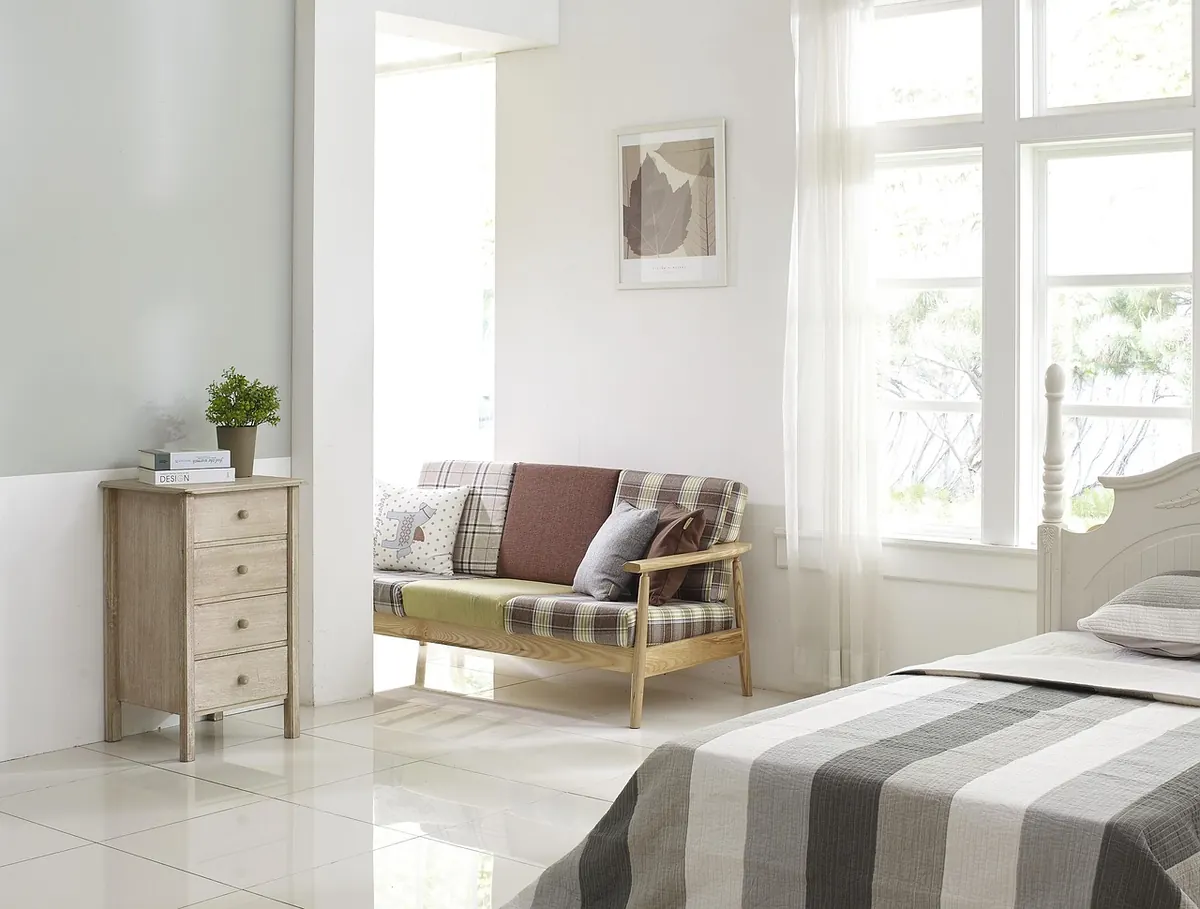
Photo: holdosi / Pixabay